How much does it cost to charter a yacht?
What a charter week really costs: base rates by yacht type, APA, VAT, tips and deposits, with worked arithmetic for crewed and bareboat trips.
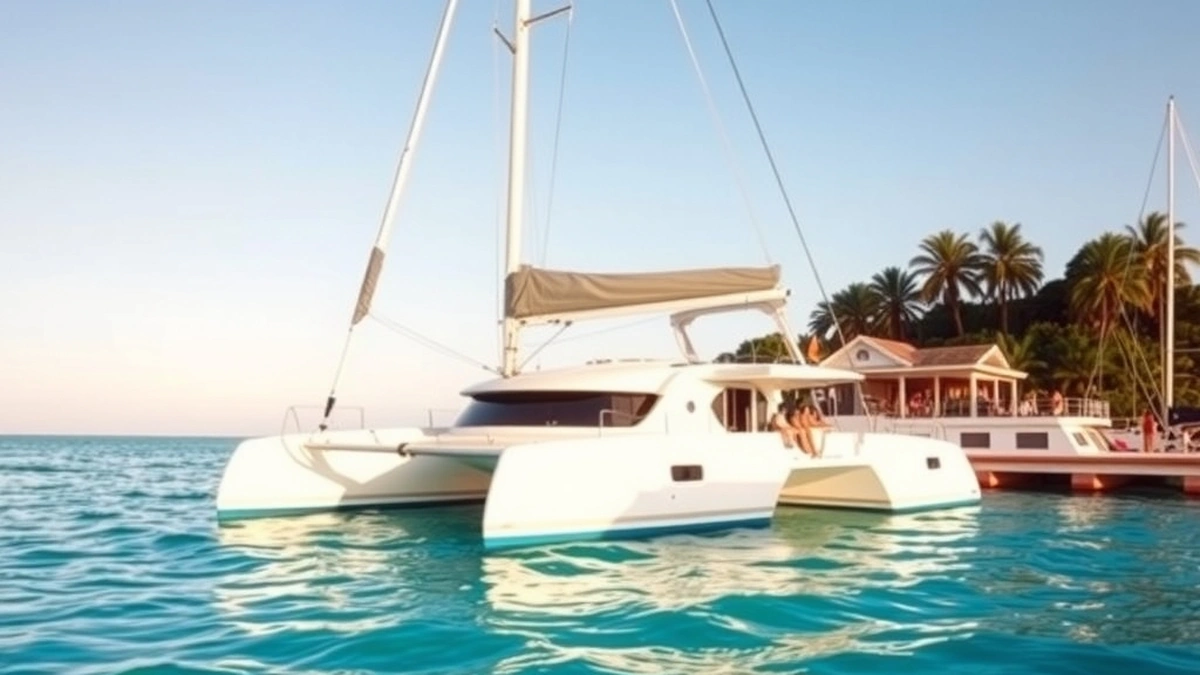
A crewed yacht week typically runs $12,000–$42,000 in base rate for 8–12 guests, then adds 20–35% APA, 5–20% VAT and a 5–15% tip. A 40–50 ft bareboat catamaran is $3,000–$15,000 a week before fuel and food.
- Crewed base rate
- $1,500–$3,500 per guest, per week
- APA
- 20–35% of the base rate
- VAT
- 5.2–20%; Greece 5.2–12%, France ~10%, Croatia ~13%
- Crew tip
- 5–15% of the base rate
- Bareboat catamaran
- $3,000–$15,000 per week, 40–50 ft
Some links on this page are affiliate links.If you buy through them we may earn a commission at no extra cost to you. We do not accept payment for rankings. Read the full disclosure.
A one-week charter typically bills 1.4 to 1.6 times the advertised base rate once expenses, tax and tip are added. A crewed yacht quoted at $60,000 for the week lands near $92,000 all-in; a 45 ft bareboat catamaran quoted at $8,000 lands near $9,500 before fuel. The base rate is the starting line, not the price.
A base rate is the published weekly price for the yacht itself, quoted per yacht rather than per person, before expenses, tax and tip. Crewed yachts are usually quoted by a central agent on MYBA terms; bareboats come from an operator’s fleet price list. The two formats share a vocabulary and almost nothing else.
Two pricing models, one question
Crewed and bareboat charters move cost and risk in opposite directions. A crewed charter bundles the yacht, the crew, insurance and the listed toys into one weekly number, then bills running costs separately through an Advance Provisioning Allowance (APA). A bareboat charter gives you the hull at a lower headline rate and hands you nearly every other cost: fuel, food, water, dockage, and a deposit held against damage.
That is why a $12,000 crewed quote and a $12,000 bareboat quote are not comparable. One includes a captain, a chef and a steward; the other includes a key, a chart briefing and a fuel gauge.
What the base rate actually covers
On a crewed yacht the base rate covers the vessel, crew wages and crew food, standard hull and liability insurance, and the tender and water toys listed in the inventory. It does not cover fuel, guest food and drink, dockage, communications, or port and customs charges. Those run through the APA, and VAT sits outside both lines.
On a bareboat the base rate covers the hull, dinghy, safety equipment and usually a dinghy outboard. Fuel, water, provisioning, end-of-charter cleaning and every marina you enter are yours. Some fleets fold a cleaning fee into the quote; many quote it separately at the base.
The line items that sit on top
Published terms across the major fleets and brokers produce a consistent set of add-ons. The ranges below are the ones to expect; the actual figures come from your quote and the charter agreement.
| Line item | Typical range | Applies to |
|---|---|---|
| Base rate | $1,500–$3,500 per guest, per week | Crewed |
| Base rate | $3,000–$15,000 per week | Bareboat, 40–50 ft cat |
| APA | 20–35% of base rate | Crewed |
| VAT | 5.2–20%; Greece 5.2–12%, France ~10%, Croatia ~13% | Both |
| Crew tip | 5–15% of base rate | Crewed |
| Provisioning | $60–$200 per person, per week | Bareboat |
| Damage waiver | $300–$700 per week | Bareboat |
| Security deposit | $5,000–$15,000, refundable | Bareboat |
| Cancellation insurance | 3–5% of charter cost | Both |
Two of those lines are frequently misread. The APA is a float, not a fee: the captain spends it on your behalf, reconciles it with receipts at the end, and returns whatever is unspent. The crew tip is separate from the APA and goes directly to the crew, usually on the last morning.
A worked crewed week
Take a 30 m crewed motor yacht quoted at $60,000 for seven nights in Croatia in July, with twelve guests. At twelve guests the base rate works out to $5,000 per guest, above the per-guest guide in the table; at this size the yacht is priced as a vessel, and the per-guest figure is a comparison aid rather than a price list. The arithmetic:
- Base rate: $60,000
- APA at 30%: $18,000
- VAT at 13%, the Croatian rate: $7,800
- Crew tip at 10% of base: $6,000
- All-in: $91,800, or about $7,650 per guest
Three details change that total. Some countries apply VAT to the APA as well as the base rate, which adds a few thousand dollars. The tip is discretionary and commonly lands between 5% and 15%; the Caribbean average reported by WAPA in 2024 was about 14%. And the APA often runs closer to 35% on a yacht that burns a lot of fuel or carries a full toy inventory, so ask what the percentage is meant to cover.
Flights, airport transfers and any hotel nights before or after the charter sit outside this figure entirely. Budget them separately, because they are rarely small.
A worked bareboat week
Now a 45 ft sailing catamaran in the British Virgin Islands in high season, quoted at $8,000 for the week, with six guests.
- Base rate: $8,000
- Provisioning at $60–$200 per person: $360–$1,200
- Damage waiver: $300–$700
- Before fuel: $8,660–$9,900
Fuel is metered at the dock on return, so the final number depends on how much you motor. A refundable security deposit of $5,000–$15,000 is held on a card at check-in unless you take the waiver, which caps your exposure for a weekly fee instead. Adding a skipper costs roughly $1,200–$2,000 a week and is worth pricing before you conclude the bareboat route is cheaper. If the crew question is still open, what is bareboat charter sets out exactly what you take on.
Why identical weeks quote differently
Four variables explain most of the spread between two quotes for the same yacht.
- Tax jurisdiction. Greece runs reduced VAT tiers from 5.2% to 12%, France around 10%, Croatia around 13%. Some quotes are tax-inclusive and some are not, and the difference is not always labelled.
- Season. Mediterranean high season runs late June to early September; Caribbean high season runs December to April. The same yacht quotes lower in the shoulder weeks either side, and yacht charter seasons covers where those weeks fall.
- Contract type. MYBA terms put you at cost for expenses. A “plus all expenses” quote rolls more into the headline number, which is easier to compare and sometimes less transparent at reconciliation.
- Itinerary. A one-way drop-off or a repositioning week carries delivery costs that a round trip from the same base does not.
Costs that appear on no quote
The charter contract covers the yacht, not the trip. Flights, transfers, a hotel night either side, marina nights before and after, shore excursions, spa treatments and any gratuity beyond the tip line are separate. Cancellation insurance at 3–5% of the charter cost is the line most charterers skip and most regret skipping when weather or illness intervenes.
The short version
Confirm five things in writing before you sign:
- Whether the quote includes VAT, and which country’s rate applies.
- The APA percentage, how reconciliation works, and how unspent funds are returned.
- The expected tip range, so the last morning is not a surprise.
- The cancellation and postponement terms, and whether your insurance covers them.
- For bareboat, the deposit amount, the waiver option and who pays for end-of-charter cleaning.
Then run the quote through the calculator and compare the all-in number, not the headline rate. How to charter a yacht walks through the sequence from first inquiry to signed agreement, including the 50/50 payment split most crewed contracts use.
Frequently asked questions
Is the advertised yacht charter price the final price?
No. The base rate covers the yacht and, on a crewed charter, the crew. Fuel, food, dockage, VAT, the crew tip and insurance are added on top, which usually pushes the final bill to about 1.4–1.6 times the base rate.
What is an APA and do I get it back?
The Advance Provisioning Allowance is a cash float of 20–35% of the base rate that the captain spends on fuel, food, drink, dockage and port fees. It is reconciled with receipts at the end of the charter and any unspent balance is returned to you.
How much should I tip the crew?
Industry guidance is 5–15% of the base rate, paid directly to the crew at the end of the week. The Caribbean average reported by WAPA in 2024 was about 14%, but the amount is discretionary and should reflect the service you received.
Is a bareboat charter cheaper than a crewed one?
The headline rate is lower, but you then pay for fuel, provisioning, water, dockage, cleaning and insurance, and you post a refundable deposit of $5,000–$15,000. Add a skipper at $1,200–$2,000 a week and the gap narrows further.
Does VAT apply to the whole charter cost?
VAT is charged on the charter, and the rate depends on where you board and cruise. Greece runs reduced tiers from 5.2% to 12%, France is around 10% and Croatia around 13%. Some countries also apply VAT to the APA, so ask for the basis in writing.
How far ahead should I book to get a better rate?
Crewed charters are usually booked 6–12 months ahead and bareboats 3–6 months ahead. Booking early widens your choice of yacht and week rather than lowering the published rate, and shoulder-season weeks are where the real savings sit.
Sources
Some links are affiliate links.If you buy through them we may earn a commission at no extra cost to you. We do not accept payment for rankings. Read the full disclosure.